
· Todd Martin · Indoor Growing · 17 min read
How To Install Carbon Filter In Grow Tent
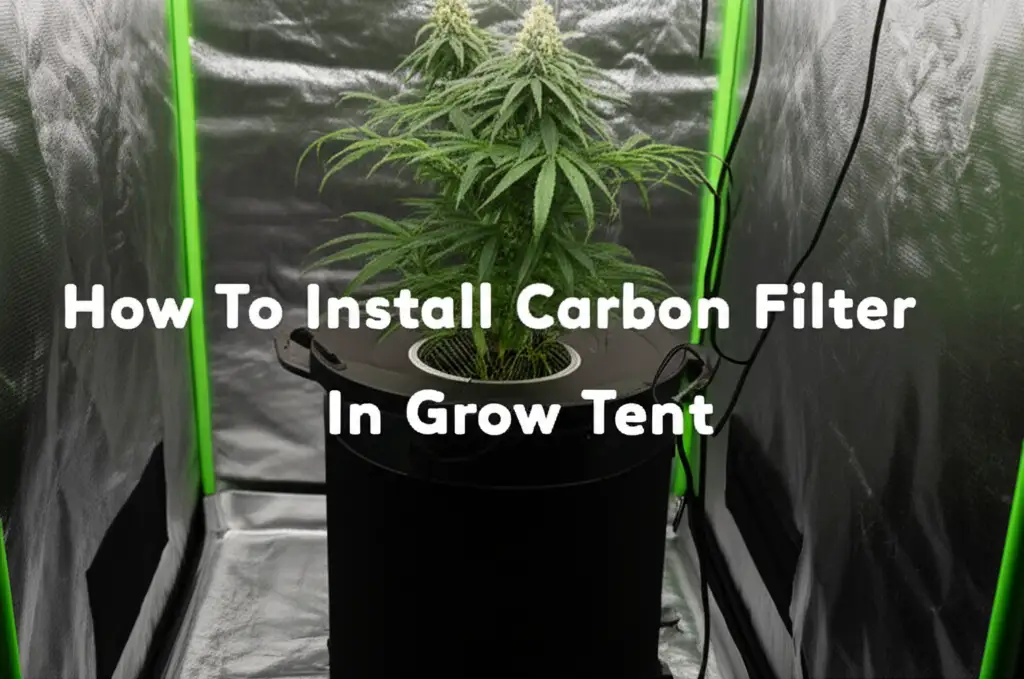
Unlock Fresh Air: How to Install a Carbon Filter in Your Grow Tent
Have you ever noticed strong odors coming from your grow tent? It is a common challenge for indoor gardeners. Managing the air quality and smell within your enclosed growing space is important. Learning how to install a carbon filter in your grow tent makes a big difference. This setup ensures fresh air exchange and eliminates unwanted smells. Proper installation provides discretion and supports healthier plant growth. This article guides you through the process, from understanding the components to maintaining your system.
Takeaway
Properly installing a carbon filter in your grow tent is crucial for odor control and air quality. Key steps include:
- Matching Components: Select a carbon filter and inline fan sized for your grow tent.
- Strategic Placement: Decide whether to hang the filter inside or outside, typically at the top of the tent.
- Secure Connections: Use ducting and clamps to create airtight seals between the filter, fan, and exhaust port.
- Stable Mounting: Use ratchet hangers or strong straps to safely support the heavy filter and fan assembly.
- Regular Maintenance: Check and clean your filter and ducting to maintain optimal performance and extend lifespan.
Installing a carbon filter in your grow tent involves connecting the filter to an inline fan with ducting and clamps. You then hang this assembly inside the tent, usually at the top, ensuring proper airflow for odor removal and air purification. This process requires careful sizing of components and secure connections for efficiency.
Understanding Your Carbon Filter and Grow Tent Setup
Setting up a grow tent offers many benefits for indoor gardening. It provides a controlled environment for your plants. However, as plants grow, they can produce strong smells. These odors may become noticeable outside your tent. This is where a carbon filter becomes a necessary tool. A carbon filter works by trapping odor molecules. Activated carbon inside the filter absorbs these smells. This process cleans the air before it leaves your grow tent.
Air quality inside the tent also matters for plant health. Good airflow prevents stagnant air conditions. Stagnant air can lead to humidity issues or mold growth. A carbon filter, paired with an inline fan, creates a powerful ventilation system. The fan pulls air through the filter, then pushes it out of the tent. This ensures a constant supply of fresh air for your plants.
The size of your grow tent directly impacts the filter and fan you need. Manufacturers rate fans by Cubic Feet per Minute (CFM). Filters also have a CFM rating. You want your fan’s CFM to match or slightly exceed your filter’s rating. This pairing ensures efficient air movement. Consider the volume of your tent (length x width x height) when choosing. You should exchange the air in your tent every one to three minutes. This calculation helps determine the correct CFM fan size. For example, a 4x4x6 foot tent has 96 cubic feet. A fan with a 100 CFM rating would exchange the air approximately once per minute. This is usually sufficient. A good setup keeps your grow area discreet and your plants happy.
Many growers also consider placing their carbon filter outside the grow tent. This alternative setup might be useful in certain situations. It can save space inside a smaller tent. You can learn more about this option by reading our guide on how to set up carbon filter outside grow tent. Understanding these basic components and their purpose is the first step. This knowledge ensures you select the right equipment for your specific grow tent.
Gathering Essential Tools and Materials for Installation
Before you begin the installation process, gather all necessary tools and materials. Having everything ready saves time and makes the job smoother. You do not want to stop midway to find a missing item. Proper preparation ensures a secure and efficient setup. This list covers what you will most likely need.
First, you need the main components of your ventilation system. This includes your chosen carbon filter and the inline fan. Make sure both are compatible in size and CFM ratings. Next, you will need ducting. This is the flexible tubing that connects the filter to the fan and then to an exhaust port. The diameter of the ducting must match the ports on your fan and filter. Common sizes are 4, 6, or 8 inches.
To secure the ducting, you will need duct clamps. These are metal rings with a screw mechanism that tighten around the ducting. They create a strong, airtight seal. You will also need aluminum foil tape or duct tape for extra sealing. This tape helps prevent air leaks at the connections. Air leaks reduce the efficiency of your system. They allow odors to escape.
For hanging the heavy filter and fan assembly, ratchet hangers or strong, adjustable straps are essential. Ratchet hangers allow for easy height adjustment. They hold heavy items securely. If your tent does not have suitable crossbars, you might need extra support rods. You might also consider using zip ties for minor cable management.
Finally, you will need basic tools. A screwdriver (Phillips or flathead, depending on your clamps) is necessary for tightening the duct clamps. A utility knife or strong scissors help cut the ducting to size. A measuring tape ensures accurate ducting lengths. Having these items on hand simplifies each step of the installation. A well-prepared setup avoids frustration. It helps you get your grow tent ventilation system running quickly and effectively.
Choosing the Right Placement for Your Carbon Filter
Deciding where to place your carbon filter inside the grow tent is an important step. This choice affects the system’s efficiency and overall air quality. Most growers choose to place the filter high inside the tent. This is because hot air rises. Odors also tend to accumulate at the top of the grow space. Placing the filter here helps capture warm, odorous air more effectively. It ensures cleaner air is exhausted from your tent.
There are two primary ways to set up the fan and filter: pushing or pulling. In a “pull” configuration, the inline fan pulls air through the carbon filter. The filter is often placed directly before the fan. This setup is very common. The filter sits inside the tent, and the fan is connected to it. The fan then pushes the filtered air out through ducting. This is usually the most effective method for odor control. It creates negative pressure inside the tent, which helps prevent odors from escaping through small gaps.
Alternatively, you could have the fan push air into the carbon filter. This is less common for odor control. It is more typical for filtering incoming air. For odor removal, always aim to pull air through the filter. Remember that the fan and filter assembly can be heavy. They need strong support. Most grow tents have metal support bars at the top. These bars are perfect for hanging your system. You want to make sure the filter hangs straight and securely. This prevents it from swinging or falling.
Thinking about the space available inside your tent is also crucial. A large filter can take up valuable head space above your plants. If your tent is small, or you want to maximize vertical growing space, consider hanging the carbon filter and fan directly outside the tent, but this requires more careful planning to connect the ducting efficiently. Our guide on how to hang carbon filter and fan in grow tent provides more details on various hanging options. Proper placement ensures maximum airflow and odor removal. It also extends the lifespan of your filter. Think about the path of air. You want it to move smoothly from the grow tent, through the filter, and out.
Step-by-Step Guide to Connecting Your Carbon Filter System
Connecting your carbon filter and inline fan correctly is essential for an efficient ventilation system. Follow these steps carefully to ensure a secure and airtight setup. This process ensures effective odor removal from your grow tent.
Step 1: Attach the Carbon Filter to the Inline Fan. Most carbon filters have a flange on one end. This flange connects directly to your inline fan’s intake side. Slide the filter flange into the fan’s intake opening. Ensure it fits snugly. Use a duct clamp to secure this connection. Tighten the clamp firmly with a screwdriver. Do not overtighten it, as this can damage the components. This creates the primary air-pulling assembly. For more specific instructions on this crucial step, refer to our detailed guide on how to connect carbon filter to inline fan.
Step 2: Connect Ducting to the Fan’s Exhaust. Take a length of flexible ducting. Slide one end over the exhaust port of your inline fan. Make sure the ducting covers the port completely. Use another duct clamp to secure this connection. Tighten it firmly. This ducting will carry the filtered air out of your tent.
Step 3: Route the Ducting to the Exhaust Vent. Identify an exhaust vent on your grow tent. Most tents have several circular ports designed for ducting. Choose the one that provides the most direct path out of the tent. Thread the free end of the ducting through this vent. If your tent has drawstring vents, tighten the drawstring around the ducting. This helps seal the opening.
Step 4: Secure the Exhaust Ducting. Once the ducting is threaded through the tent’s exhaust port, you need to secure it. If you are venting into another room, ensure the ducting extends far enough. You might connect it to a window kit or another vent. Use aluminum foil tape or high-quality duct tape around the tent’s exhaust port. This creates an airtight seal. This prevents any filtered air from escaping back into your growing area. This step is important for discretion.
Step 5: Prepare for Hanging. Before hanging, ensure all connections are tight. The filter and fan can be heavy. Plan how you will hang them inside your tent. You will typically hang the filter-fan assembly using the tent’s support bars. Ratchet hangers or strong straps are best for this task. They allow for easy height adjustment.
Following these steps ensures that your carbon filter system is properly connected. A correct connection means maximum efficiency. It also helps in maintaining a quiet and odor-free grow space.
Securing and Optimizing Your Carbon Filter in the Grow Tent
Once your carbon filter and inline fan are connected, the next critical step is to secure them properly inside your grow tent. This ensures safety and optimal performance. The combined weight of the filter and fan can be significant. Strong and stable support is essential to prevent accidents.
Most grow tents have sturdy metal crossbars at the top. These bars are designed to support equipment. Use ratchet hangers or heavy-duty straps for hanging. These hangers typically have hooks on both ends. Attach one hook to the tent’s crossbar. Then, attach the other hook to the filter-fan assembly. Many filters have built-in loops or points for hanging. If not, you can loop straps around the filter body or the fan housing. Make sure the weight is evenly distributed. This prevents tilting and strain on the components. Adjust the height using the ratchet mechanism until the system hangs securely and level.
Optimizing your carbon filter setup goes beyond just hanging it. You want to ensure maximum airflow and minimal noise. Check all ducting connections again. Ensure they are airtight. Use aluminum foil tape or high-quality duct tape around all joints, especially where ducting connects to the fan and filter, and where it exits the tent. Even small leaks can reduce efficiency and allow odors to escape. A negative pressure inside your tent is a good sign. This means the tent walls slightly bow inwards when the fan is running. It indicates effective air extraction.
Noise reduction is another important aspect. Inline fans can create vibration and noise. You can use acoustic ducting, which has insulation to dampen sound. Placing the fan on rubber feet or a mat can also reduce vibrations. Ensure the fan is not touching the tent walls directly. This prevents noise transfer. You can also use bungee cords or soft straps instead of rigid chains for hanging. This helps absorb some vibration. Proper securing and optimization improve your system’s performance. They also enhance your overall grow tent experience. A well-installed system is quiet and efficient. It reliably removes unwanted odors.
Testing and Maintaining Your Carbon Filter System
After you install your carbon filter system, it is important to test it and establish a maintenance routine. Testing confirms everything works as intended. Regular maintenance ensures long-term efficiency and extends the life of your equipment. This helps keep your grow space free of odors and full of fresh air.
Your first step after installation is to power on the inline fan. Listen for any unusual noises. Check for vibrations. Feel for airflow at the exhaust port outside the tent. You should notice a steady stream of air. Step inside the grow tent and zip it up. After a few minutes, you should feel a slight negative pressure. This means the tent walls pull inwards a little. This indicates that your fan is effectively pulling air out of the tent. It creates a sealed environment. Walk around the tent’s exterior. Check for any escaping odors, especially near seams or zippers. If you detect smells, re-check your ducting connections and tent seals. Apply more tape as needed.
Maintenance is key to a filter’s performance. Carbon filters do not last forever. Their activated carbon slowly loses its ability to absorb odors. The lifespan depends on several factors. These include the size of your filter, the humidity levels in your grow tent, and the intensity of odors. On average, a carbon filter lasts about one to two years. Some may last less, some more. You can often tell your filter is failing when odors start to become noticeable again.
You should also periodically inspect the pre-filter. This is a fabric sleeve that goes over the carbon filter. It catches dust and larger particles. This pre-filter can get dirty over time. A dirty pre-filter restricts airflow. It makes your fan work harder. You can usually remove and wash the pre-filter. Use mild soap and water. Let it dry completely before putting it back on. Do not wash the carbon filter itself. Water can damage the activated carbon inside. For detailed instructions on how to clean your pre-filter and other maintenance tips, read our guide on how to clean carbon filter for grow room. Knowing when your carbon filter is no longer effective is also important. Our article on how to know if carbon filter is bad provides helpful signs. Regularly checking your system ensures your grow tent remains odor-free and healthy. It also prevents premature replacement costs.
Troubleshooting Common Carbon Filter Installation Issues
Even with careful installation, you might encounter some issues. Knowing how to troubleshoot common problems helps you maintain an efficient system. Addressing these concerns quickly keeps your grow tent operating at its best.
Issue 1: Weak Airflow. If you notice weak airflow, first check all connections. Make sure duct clamps are tight. Ensure there are no kinks or bends in the ducting. Kinks restrict air movement significantly. Also, check if your pre-filter is clogged with dust. A dirty pre-filter can severely reduce airflow. Remove and clean it. Ensure your fan is running at its correct speed. Some fans have variable speed controllers. Make sure it is set appropriately for your tent size. Finally, ensure the fan is properly oriented to pull air through the filter. An incorrectly wired or worn-out fan might also be the culprit.
Issue 2: Persistent Odors. The main purpose of a carbon filter is odor removal. If smells persist, your filter might not be working effectively. First, check for air leaks around the tent zippers, seams, or ducting connections. Even small gaps can allow odors to escape. Seal any leaks with tape. Next, assess your filter’s age. Carbon filters have a lifespan. If it is old, the activated carbon may be saturated. This means it can no longer absorb odors. You might need a replacement. The filter or fan could also be undersized for your tent or the amount of odor produced. If your setup is too small, it cannot handle the air volume. Ensure your fan’s CFM matches your filter and tent volume. Our guide on how to tell when your carbon filter needs replaced offers more details on identifying a worn-out filter.
Issue 3: Excessive Noise. Inline fans can generate noise. If it is too loud, first ensure the fan is not directly touching any hard surfaces. Vibrations transfer easily through solid materials. Use rubber feet under the fan or hang it with bungee cords instead of rigid chains. This absorbs vibrations. Check if the fan or ducting is loose. Tighten any fasteners. Ensure the fan blades are clean. Dust buildup can cause imbalance and increase noise. If the fan makes grinding or rattling noises, its motor bearings might be failing. This would require fan replacement.
Issue 4: Condensation Inside Ducting. Condensation can occur if warm, humid air cools too rapidly as it exits the tent. This creates moisture buildup inside the ducting. Ensure your exhaust route is as short and straight as possible. Using insulated ducting can help minimize temperature drops. Proper air exchange prevents excessive humidity from building up inside the tent. If humidity remains too high, consider increasing fan speed or adding a dehumidifier. Persistent moisture can lead to mold issues in your ducting.
By systematically checking these areas, you can resolve most common issues. Maintaining an effective and quiet carbon filter system is achievable with regular checks and prompt troubleshooting.
FAQ Section
How often should I replace my carbon filter? You should typically replace a carbon filter every 1-2 years. This depends on factors like humidity levels, air volume processed, and odor intensity. If you notice odors returning, it is usually a sign that your filter needs replacement. Very humid environments or high odor production might shorten its lifespan.
Can I use a carbon filter without an inline fan? No, a carbon filter needs an inline fan to function effectively for air purification in a grow tent. The fan pulls or pushes air through the filter’s activated carbon. Without the fan, air does not move through the filter. This means no odors are captured. The filter will not work for its intended purpose.
What size carbon filter do I need for my grow tent? You need a carbon filter with a CFM (Cubic Feet per Minute) rating that matches or slightly exceeds your grow tent’s air volume. Calculate your tent’s volume (Length x Width x Height). For efficient odor removal, your fan should exchange the air at least once every 1-3 minutes. Match the filter CFM to the fan CFM.
Should the carbon filter be at the top or bottom of the grow tent? The carbon filter should almost always be at the top of the grow tent. Hot air and odors naturally rise. Placing the filter high up allows it to capture the warmest, most odorous air before it exits the tent. This ensures the most efficient odor removal.
How do I know if my carbon filter is working? The main sign a carbon filter is working is the absence of odors outside your grow tent. You should also feel a slight negative pressure inside the tent when the fan runs. This means the tent walls pull inward slightly. If odors persist or airflow is weak, your filter may be failing or improperly installed.
Conclusion
Installing a carbon filter in your grow tent is a fundamental step for responsible indoor growing. It controls odors and maintains healthy air quality for your plants. We have walked through selecting the right components, gathering your tools, and carefully placing your system. We also covered the detailed steps for connecting the filter, fan, and ducting. Securing your system properly ensures both safety and efficiency. Regular testing and maintenance are important to keep your setup running smoothly.
A well-installed carbon filter system makes your grow space discreet. It provides peace of mind. You now have the knowledge to confidently install a carbon filter in your grow tent. Take the steps to ensure a fresh, clean, and healthy environment for your plants. Start your carbon filter installation project today for a better growing experience.
- carbon filter installation
- grow tent setup
- odor control

Todd Martin
Senior Writer
With over 15 years of experience in home renovation and design, I started HEG to share what I’ve learned with homeowners who want to create spaces that are both beautiful and functional. I’ve always believed in a hands-on approach, and over the years, I’ve picked up practical solutions that actually work. Through HEG, I aim to make home improvement more approachable, sharing real tips that help you create a home you truly love.