
· Todd Martin · Gardening & Plant Care · 24 min read
How To Clean Aloe Vera Leaves
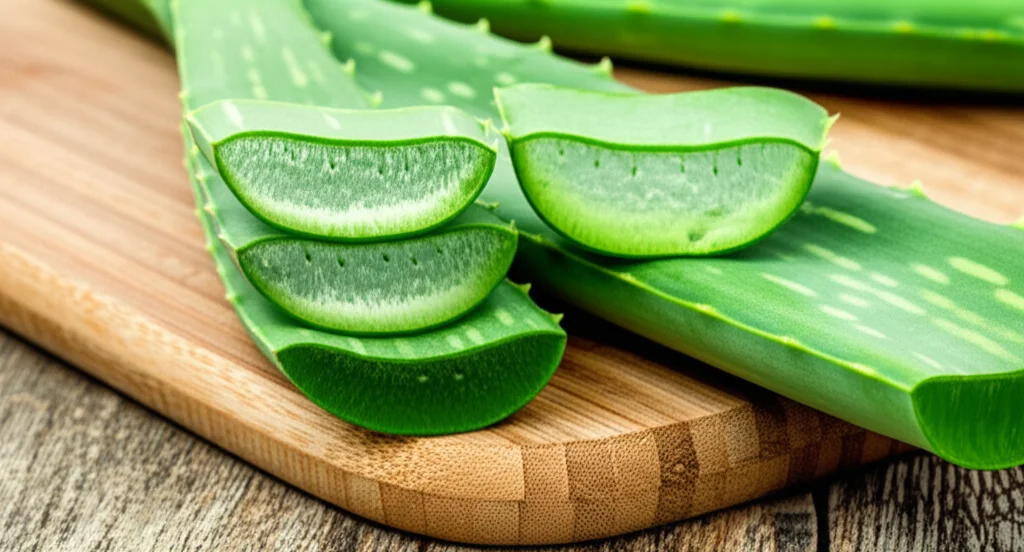
Keep Your Aloe Vera Leaves Spotless: A Cleaning Guide
Have you ever noticed your beautiful aloe vera plant looking a little dull? Perhaps its leaves are covered in a fine layer of dust, or maybe there are water spots diminishing its natural shine. Cleaning aloe vera leaves is not just about making your plant look better. It also plays a vital role in its health and ability to thrive. Dust and debris can block sunlight and reduce the plant’s ability to perform photosynthesis, which is how it makes its food. A clean leaf surface helps your aloe breathe and absorb light more efficiently.
This article will guide you through the process of how to clean aloe vera leaves effectively and safely. We will cover why cleaning is important, what tools you need, and a step-by-step method to ensure your plant stays healthy and vibrant. You will also learn about gentle techniques, how to deal with stubborn issues, and what to do after cleaning. By the end, you will have all the knowledge to keep your aloe vera looking its best.
Takeaway:
- Regularly wipe aloe vera leaves with a soft, damp cloth to remove dust.
- Ensure proper light absorption for healthier plant growth.
- Check for pests during cleaning to prevent infestations.
- Allow leaves to air dry completely after cleaning.
Cleaning aloe vera leaves involves gently wiping them with a soft, damp cloth to remove dust and debris. This simple action helps the plant absorb sunlight better and supports overall leaf health. Always use plain water or a very mild soap solution if needed, then rinse thoroughly.
Why Cleaning Aloe Vera Leaves Is Important for Plant Health
Cleaning the leaves of your aloe vera plant goes beyond simple aesthetics. A layer of dust, dirt, or even mineral deposits from water can significantly impact your plant’s well-being. Think of it like this: your plant uses its leaves to “breathe” and to absorb sunlight, which is crucial for a process called photosynthesis. This process is how plants convert light energy into chemical energy, essentially making their own food.
When dust covers the leaves, it acts like a blanket, blocking the pores (stomata) on the leaf surface. These pores are essential for gas exchange, allowing the plant to take in carbon dioxide and release oxygen. A blocked stomata can hinder respiration and lead to poor growth. Dust also reduces the amount of light that reaches the chlorophyll in the leaves. Less light means less photosynthesis, which can make your plant weak and unhealthy over time.
Regular cleaning also gives you a chance to inspect your plant up close. You might notice early signs of pests, such as tiny spider mites or mealybugs, or fungal spots that could spread if left untreated. Catching these problems early can prevent major infestations or diseases. A clean plant is a happy plant, and a happy plant is more resilient against stress. Keeping your house plant leaves clean ensures they can perform their vital functions without hindrance. This simple routine helps your aloe vera plant flourish, maintaining its vibrant green color and robust structure.
Gathering Your Essential Cleaning Supplies
Before you start cleaning your aloe vera leaves, it is wise to gather all your tools. Having everything ready makes the process smooth and efficient. You do not need many specialized items, most of what you need you probably already have at home. This preparation step ensures you do not have to stop mid-task to find something missing.
Here is a list of the essential supplies for cleaning your aloe vera:
- Soft Cloths or Sponges: Choose materials that are very soft and non-abrasive. Microfiber cloths work wonderfully because they are gentle and effective at picking up dust without scratching the delicate leaf surface. A soft cotton cloth or a clean, soft sponge can also work well. Avoid anything with a rough texture.
- A Spray Bottle: This is useful for misting the leaves with water or a cleaning solution. A fine mist helps loosen dust and dirt without over-saturating the plant.
- Distilled Water or Filtered Water: Tap water often contains minerals like chlorine and fluoride, which can leave white spots on your aloe leaves as they dry. Distilled or filtered water prevents these unsightly water spots and is gentler on the plant. If you do not have these, tap water that has sat out for 24 hours can work, as it allows some chemicals to evaporate.
- Mild Soap (Optional, for heavy dirt): If your aloe vera leaves are particularly grimy or sticky, you can use a tiny drop of very mild, unscented dish soap. Do not use harsh detergents or chemical cleaners, as these can harm your plant. Ensure it is truly minimal, like a single drop in a gallon of water.
- A Soft Brush or Paintbrush (Optional): For getting into crevices or removing stubborn dry dust, a soft-bristled brush can be helpful. This is especially good for reaching the base of the leaves where dust can accumulate.
- Rubber Gloves (Optional): If you prefer to keep your hands clean or have sensitive skin, wearing gloves can be a good idea.
Having these items ready will help you effectively clean your aloe vera leaves, ensuring a healthy and sparkling plant. Remember, the key is gentleness and using clean, plant-friendly materials. Cleaning leaves on other plants, like mint leaves, also benefits from a similar gentle approach.
Step-by-Step Guide to Cleaning Aloe Vera Leaves
Cleaning your aloe vera leaves is a straightforward process when you follow a few simple steps. The goal is to remove dust and debris without harming the plant. Take your time and be gentle.
Here is how you can clean your aloe vera leaves effectively:
- Prepare Your Work Area: Choose a spot where you can easily clean your plant without making a mess. This could be a sink, a bathtub, or even outdoors on a warm, calm day. Place a towel or newspaper down to catch any drips or fallen debris.
- Inspect the Leaves: Before you start wiping, take a moment to look closely at your plant. Check for any signs of pests, yellowing leaves, or unusual spots. This initial inspection helps you identify any issues that might require a different approach or treatment.
- Dust Off Loose Debris: Start by gently brushing off any loose dust with a dry, soft brush or a dry cloth. This prevents turning dry dust into mud when you introduce water. Be very gentle, especially near the base of the leaves where they meet the stem.
- Dampen Your Cloth: Dip your soft cloth or sponge into your distilled or filtered water. Wring it out thoroughly so it is damp, not dripping wet. Excess water can drip into the crown of the plant, potentially leading to rot.
- Wipe Each Leaf Carefully: Support each leaf with one hand, especially larger or older ones, as you wipe. With the other hand, gently wipe the top and bottom surfaces of each leaf. Move from the base of the leaf outwards towards the tip. Pay attention to both sides, as dust can accumulate underneath too. For plants with a waxy coating, like many succulents, avoid rubbing too hard, as this can remove the protective layer. If you are cleaning other types of houseplants, like rubber plant leaves, you would follow similar steps, adjusting for their specific leaf texture.
- Address Stubborn Spots (If Necessary): If you encounter stubborn dirt or sticky residue, you can slightly dampen a cotton swab with water and gently roll it over the spot. For truly stubborn spots, you may use the mild soap solution mentioned earlier, but remember to rinse thoroughly afterward.
- Rinse (If Using Soap): If you used any soap, even a tiny amount, it is crucial to rinse the leaves thoroughly. You can do this by gently misting the leaves with plain water from your spray bottle, then wiping them down again with a clean, damp cloth. The goal is to remove all soap residue.
- Allow to Air Dry: After cleaning, let your aloe vera leaves air dry completely before returning the plant to its usual spot. Ensuring the leaves are dry prevents water spots and reduces the risk of fungal issues.
By following these steps, you will keep your aloe vera leaves clean, healthy, and ready to soak up the sun. Regular cleaning ensures your plant remains a beautiful and beneficial addition to your home.
Gentle Techniques for Delicate Aloe Leaves
Aloe vera leaves are generally quite robust, but they can be delicate, especially when they are young or if the plant is stressed. Using gentle techniques is crucial to avoid damaging the leaves or the plant itself during cleaning. Your touch should always be light and supportive. Rough handling can bruise the leaves, leading to unsightly brown spots or even breaking them.
Here are some gentle techniques to ensure your delicate aloe leaves remain unharmed:
- Support Each Leaf: When wiping, always place one hand underneath the leaf you are cleaning. This provides support and prevents the leaf from bending or snapping under the gentle pressure of your wiping hand. This is especially important for larger, older leaves that hold a lot of gel and can be heavier.
- Use Light Pressure: Do not press down hard when wiping. A light, even pressure is all you need. The goal is to lift dust and grime, not to scrub it off. Let the dampness of the cloth do most of the work. If you notice the leaf bending or showing any resistance, ease up on your pressure.
- Wipe in One Direction: When wiping, try to move your cloth in one consistent direction, typically from the base of the leaf to its tip. Avoid scrubbing back and forth vigorously, as this can be abrasive and potentially damage the leaf’s surface. A smooth, sweeping motion is best.
- Avoid the Crown: The “crown” of the aloe vera plant is the central point where new leaves emerge. Water accumulating in the crown can lead to rot, which is fatal for the plant. Be very careful not to let water or cleaning solution pool in this area. If you accidentally get water there, use a tissue or a cotton swab to gently absorb it.
- Spot Cleaning vs. Full Wash: For lightly dusty plants, a simple wipe with a dry or slightly damp cloth might be enough. You do not always need a full “wash” with water. Reserve the damp cloth method for when dust build-up is more significant or when you see sticky residues. This conservative approach minimizes moisture exposure, benefiting overall plant health. Similarly, when you clean plant leaves on a houseplant, focusing on light touch and minimal water is always a safe bet.
- Test a Small Area: If you are unsure about a cleaning solution or method, test it on a small, less visible part of a leaf first. Wait a few minutes to see if there is any adverse reaction before proceeding to the rest of the plant. This simple test can prevent widespread damage.
By adopting these gentle techniques, you ensure that your aloe vera plant receives the care it needs without suffering any harm. Gentle handling preserves the integrity of the leaves and helps your plant maintain its beautiful appearance and robust health.
Dealing with Stubborn Dirt and Pests
Sometimes, simple wiping is not enough. Aloe vera leaves can accumulate stubborn dirt, sticky residues from sap or honeydew (a byproduct of certain pests), or even develop early pest infestations. Addressing these issues requires a slightly more targeted approach than routine dusting. Prompt action can save your plant from more serious problems.
Here are ways to deal with stubborn dirt and common pests:
- For Sticky Residues (Honeydew, Sap):
- Mild Soap Solution: Mix a tiny drop of very mild, unscented dish soap with a liter of distilled or filtered water. Dampen a soft cloth with this solution.
- Gentle Wipe: Gently wipe the sticky areas. The soap helps break down the sugars and oils in the residue.
- Rinse Thoroughly: It is crucial to rinse the leaves completely with plain water afterward. Use a clean, damp cloth or mist with a spray bottle, then wipe dry. Any lingering soap can damage the leaves over time.
- For Mineral Deposits (White Spots):
- Vinegar Solution: For white, powdery mineral deposits from hard water, a very diluted vinegar solution can work. Mix one part white vinegar with ten parts distilled water.
- Spot Treatment: Dampen a cotton swab or a corner of a soft cloth with this solution. Gently dab and wipe the mineral spots.
- Rinse Immediately: Wipe the area with a clean, damp cloth soaked in plain water to remove all vinegar residue. Vinegar is acidic and can harm the plant if left on the leaves. Using distilled water for regular cleaning helps prevent these spots.
- Identifying and Treating Pests:
- Mealybugs: These look like small, white, cottony masses, often found in leaf crevices or on the undersides of leaves.
- Treatment: Dip a cotton swab in rubbing alcohol (70% isopropyl alcohol). Gently touch the mealybugs with the alcohol-soaked swab. The alcohol dissolves their waxy coating and kills them. Repeat every few days until they are gone.
- Spider Mites: These are tiny, almost invisible pests that create fine webbing on leaves, especially on the undersides. You might see tiny dots moving.
- Treatment: Isolate the plant. Spray the entire plant, including the undersides of leaves, with a strong stream of water (if feasible for your aloe’s size) to dislodge them. For more severe infestations, use insecticidal soap, following product instructions carefully. Ensure it is safe for succulents.
- Scale Insects: These look like small, brown, or black bumps, often stuck to leaves or stems.
- Treatment: Scrape them off gently with your fingernail or a soft brush. For persistent scale, use an alcohol swab as you would for mealybugs.
- Mealybugs: These look like small, white, cottony masses, often found in leaf crevices or on the undersides of leaves.
- Isolation and Follow-Up: If you find pests, isolate the infected plant from others to prevent spreading. Check your plant regularly for several weeks after treatment to ensure all pests are gone. Consistent inspection is key for how to clean orchid leaves and other delicate plants, too.
Always start with the gentlest method first and only escalate if necessary. Protecting your aloe vera from pests and stubborn dirt ensures it remains a healthy and thriving part of your home.
Post-Cleaning Care and Maintenance Tips
After you have carefully cleaned your aloe vera leaves, your job is not quite done. Proper post-cleaning care and ongoing maintenance are just as important as the cleaning process itself. These steps ensure your plant fully recovers from the cleaning process and continues to thrive. A well-maintained aloe vera plant is more resilient and beautiful.
Here are essential tips for post-cleaning care and long-term maintenance:
- Allow Full Air Drying: This is perhaps the most crucial step immediately after cleaning. Ensure that all water has evaporated from the leaves, especially from the crevices and the plant’s crown. Leaving moisture can lead to fungal growth or rot, which can be very damaging to an aloe vera plant. You can gently blot any visible standing water with a dry paper towel or soft cloth.
- Return to Optimal Lighting: Once completely dry, place your aloe vera back in its usual spot where it receives adequate light. Aloe vera plants thrive in bright, indirect sunlight. Too much direct, harsh sun can scorch their leaves, while too little light can make them leggy and weak. A location near a south or west-facing window is often ideal, but diffused by a sheer curtain or set back a bit from the window.
- Monitor Watering: After cleaning, be mindful of your watering schedule. Cleaning the leaves does not directly affect the soil moisture, but it is a good time to reassess your watering habits. Aloe vera is a succulent, meaning it stores water in its leaves. It prefers deep, infrequent watering. Always allow the soil to dry out completely between waterings to prevent root rot. Stick your finger about two inches into the soil; if it feels dry, it is time to water.
- Regular Inspection: Make it a habit to regularly inspect your aloe vera plant, not just when you clean it. A quick glance every few days can help you spot issues early. Look for:
- Pest Signs: Tiny bugs, sticky residue, or fine webbing.
- Leaf Discoloration: Yellowing (overwatering) or browning (underwatering or too much sun).
- Unusual Spots: Fungal spots or physical damage.
- Maintain Humidity (If Needed): While aloe vera is adapted to dry climates, extremely low humidity can sometimes stress them. If your indoor air is very dry, especially in winter, you can use a pebble tray with water underneath the pot (ensure the pot is not sitting in water) to create a micro-climate of higher humidity around the plant. Misting is generally not recommended for succulents as it can encourage fungal growth on leaves.
- Fertilize Sparingly: Aloe vera plants are not heavy feeders. They generally do well with very minimal fertilization. If you do fertilize, use a balanced houseplant fertilizer diluted to half strength, and only during the growing season (spring and summer), typically once a month or less. Over-fertilizing can harm the plant.
- Repotting When Necessary: As your aloe grows, it may outgrow its pot. Repotting every 2-3 years, or when roots start emerging from drainage holes, provides fresh soil and more space for growth. Use a well-draining succulent or cactus potting mix. For plants like fiddle leaf fig leaves, cleaning and consistent care are equally vital for their specific needs.
By consistently applying these post-cleaning and maintenance tips, you ensure your aloe vera plant remains robust, healthy, and continues to be a vibrant green addition to your home. Regular care extends its life and keeps it looking its best.
Common Mistakes to Avoid When Cleaning Aloe
Cleaning aloe vera leaves seems simple, but it is easy to make mistakes that can harm your plant. Avoiding these common pitfalls ensures your cleaning efforts are beneficial, not detrimental. Being aware of what not to do is just as important as knowing what to do. Your plant’s health depends on your careful approach.
Here are common mistakes people make when cleaning aloe vera leaves and how to avoid them:
- Using Harsh Chemicals or Soaps:
- Mistake: Using household cleaners, detergents, or strong soaps. These products contain chemicals that are toxic to plants. They can strip the protective waxy layer from the leaves, burn them, or clog their pores.
- Correction: Stick to plain distilled or filtered water for routine cleaning. For stubborn dirt, use only a single drop of extremely mild, unscented dish soap diluted in a large amount of water, and always rinse thoroughly.
- Over-Wetting the Plant, Especially the Crown:
- Mistake: Allowing water to pool in the central rosette (crown) of the plant. Aloe vera is highly susceptible to rot, and water trapped in the crown is a leading cause.
- Correction: Always wring out your cleaning cloth thoroughly so it is only damp. If water accidentally gets into the crown, gently blot it dry with a paper towel or cotton swab immediately.
- Scrubbing Too Hard:
- Mistake: Applying too much pressure when wiping the leaves. This can bruise or damage the delicate leaf tissue, leaving unsightly marks or even breaking the leaf.
- Correction: Use a light, gentle touch. Let the damp cloth do the work. Support the leaf with your other hand to prevent bending or snapping.
- Using Abrasive Materials:
- Mistake: Wiping with rough cloths, paper towels, or anything that can scratch the leaf surface.
- Correction: Always use soft materials like microfiber cloths, soft cotton, or a gentle sponge. The goal is to lift dust, not to scour.
- Not Allowing Leaves to Dry Completely:
- Mistake: Returning the plant to its spot before the leaves are fully dry. This can lead to water spots or, worse, fungal issues if moisture remains for too long.
- Correction: Give your plant ample time to air dry after cleaning. You can gently blot excess water, but natural air circulation is best for final drying.
- Cleaning Too Frequently:
- Mistake: Cleaning your aloe vera every day or too often. While regular cleaning is good, excessive handling can stress the plant.
- Correction: Clean your aloe vera leaves only when visibly dusty or dirty, typically once every few weeks to once a month, depending on your environment. Observe your plant; it will tell you when it needs attention.
- Ignoring Pest Signs During Cleaning:
- Mistake: Focusing only on dust and missing early signs of pests like mealybugs or spider mites.
- Correction: Use cleaning as an opportunity for a thorough inspection. Look closely at the undersides of leaves and in crevices. If you spot pests, address them immediately with appropriate, plant-safe methods. Just as you would with how to clean an orchid’s leaves, a careful eye during cleaning can prevent larger issues.
By avoiding these common mistakes, you ensure that your efforts to clean your aloe vera leaves contribute positively to its health and beauty. Gentle, mindful care will keep your plant thriving for years to come.
When and How Often Should You Clean Aloe Vera Leaves?
Knowing when to clean your aloe vera leaves and how often is key to maintaining its health without overdoing it. There is no strict universal schedule because the frequency largely depends on your environment and the plant’s specific needs. However, a few indicators and general guidelines can help you decide. Regular observation of your plant is your best tool.
Here are guidelines on when and how often to clean your aloe vera leaves:
- When You See Visible Dust: This is the most straightforward indicator. If you can see a layer of dust on the leaves, it is time to clean. Dust build-up is common in most indoor environments, especially in homes with forced-air heating or cooling, or if your plant is near a dusty area.
- Every Few Weeks to Monthly: As a general rule of thumb, aiming to clean your aloe vera leaves every few weeks or at least once a month is a good practice. This routine helps prevent a thick layer of dust from accumulating and interfering with photosynthesis. For plants in very clean environments, you might stretch this to every 6-8 weeks.
- After Moving or Repotting: If you have recently moved your plant or repotted it, a light cleaning can be beneficial. Moving can stir up dust, and repotting often involves handling the plant, which can leave residues.
- During Your Regular Plant Care Routine: Incorporate leaf cleaning into your existing plant care routine. For example, when you water your plant, take a moment to quickly check its leaves for dust and wipe them if needed. This makes it a natural part of your maintenance schedule.
- Seasonal Considerations: In some regions, dust might be more prevalent during certain seasons (e.g., dry seasons, or when windows are open more often). You might find yourself cleaning more frequently during these periods. Conversely, in humid or rainy seasons (if outdoors), nature might do some of the cleaning for you.
- Before and After Applying Treatments: If you are applying a pest treatment or a foliar fertilizer (though less common for aloe), cleaning the leaves beforehand can ensure better absorption and effectiveness. Cleaning afterward can remove any residue.
- Inspection for Pests: Even if leaves do not look particularly dusty, a monthly wipe-down is an excellent opportunity to inspect for pests. Catching tiny spider mites or mealybugs early can prevent a full-blown infestation, saving your plant from significant stress. This proactive approach applies to many houseplants. For example, regular inspection and cleaning are crucial for how to clean fiddle leaf fig leaves, which also benefit from clean foliage.
Ultimately, observe your aloe vera plant closely. It will communicate its needs through its appearance. A healthy, vibrant, and dust-free aloe vera plant is a testament to consistent and thoughtful care.
Troubleshooting Common Aloe Vera Leaf Problems
Even with regular cleaning, aloe vera plants can sometimes face issues that manifest on their leaves. Knowing how to identify and troubleshoot these problems can help you keep your plant healthy and thriving. Many leaf problems signal an underlying environmental or care issue.
Here are common aloe vera leaf problems and how to troubleshoot them:
- Yellowing Leaves:
- Cause: Most often, overwatering. Aloe vera is a succulent and hates wet feet. Yellow leaves can also indicate poor drainage or too much nitrogen in fertilizer.
- Troubleshooting: Reduce watering frequency. Ensure the pot has drainage holes and the soil is well-draining. Allow the soil to dry completely between waterings. If fertilizing, cut back or dilute more.
- Browning or Crispy Leaf Tips:
- Cause: Typically indicates underwatering, too much direct sunlight, or low humidity.
- Troubleshooting: Increase watering frequency slightly, ensuring the soil dries between waterings. Move the plant to a spot with bright, indirect light. Consider a pebble tray for humidity if the air is extremely dry.
- Mushy, Soft, or Translucent Leaves:
- Cause: Severe overwatering or root rot. This is a critical sign of distress.
- Troubleshooting: Immediately stop watering. Remove the plant from its pot and inspect the roots. Trim off any black, mushy roots with sterilized scissors. Repot in fresh, dry, well-draining soil. This condition can be fatal if not addressed quickly.
- Scorched Spots or White/Brown Patches:
- Cause: Direct, intense sunlight. Aloe vera prefers bright, indirect light.
- Troubleshooting: Move the plant to a location where it receives filtered light, such as behind a sheer curtain or set back from a south-facing window.
- Leggy Growth (Long, Stretched-Out Leaves with Gaps):
- Cause: Insufficient light. The plant stretches to find more light.
- Troubleshooting: Move the plant to a brighter location with more indirect light.
- Small, Shriveled Leaves:
- Cause: Underwatering or sometimes extreme heat.
- Troubleshooting: Water thoroughly until water drains from the bottom of the pot. Ensure regular watering when the soil is dry. Check if the plant is in an excessively hot spot.
- Presence of Pests (Sticky Residue, Webbing, Small Bumps):
- Cause: Mealybugs, spider mites, or scale insects.
- Troubleshooting: Isolate the plant. Use a cotton swab dipped in 70% rubbing alcohol for mealybugs and scale. For spider mites, use insecticidal soap or a strong stream of water. Regularly inspect and clean the leaves as described in previous sections. Maintaining clean plant leaves for houseplants helps prevent pest infestations.
By understanding these common leaf problems and their solutions, you can proactively address issues and keep your aloe vera plant healthy and robust. Consistent observation and appropriate action are key to successful aloe vera care.
FAQ Section
Q1: Can I use tap water to clean my aloe vera leaves?
A1: You can use tap water, but distilled or filtered water is better. Tap water often contains minerals like chlorine or fluoride. These can leave unsightly white spots on the leaves as the water dries. If you must use tap water, let it sit out for 24 hours. This allows some chemicals to evaporate.
Q2: How often should I clean my aloe vera leaves?
A2: The frequency depends on your environment. If you see visible dust, it is time to clean. Generally, cleaning every few weeks to once a month is a good practice. This schedule helps prevent excessive dust build-up. It also gives you a chance to inspect the plant for pests.
Q3: What should I do if I find pests during cleaning?
A3: If you find pests like mealybugs or spider mites, isolate your plant immediately. For mealybugs, dab them with a cotton swab dipped in 70% rubbing alcohol. For spider mites, spray the plant with insecticidal soap or a strong stream of water. Continue to monitor the plant closely afterward.
Q4: Can cleaning harm my aloe vera plant?
A4: Cleaning can harm your plant if done incorrectly. Using harsh chemicals, scrubbing too hard, or letting water pool in the plant’s crown can cause damage. Always use soft materials, gentle pressure, and ensure the leaves dry completely. Stick to plain water or a very mild soap solution.
Q5: Is it okay to use leaf shine products on aloe vera?
A5: It is generally not recommended to use leaf shine products on aloe vera. These products can clog the pores on the leaves, hindering the plant’s ability to breathe and perform photosynthesis. Natural cleaning with water is always the best and safest option for aloe vera.
Q6: Why do my aloe vera leaves have white spots after cleaning?
A6: White spots on aloe vera leaves after cleaning usually come from mineral deposits in tap water. Using distilled or filtered water for cleaning helps prevent these spots. If you see them, you can try gently wiping them with a cloth dampened with a very diluted vinegar solution, then rinsing with plain water.
Conclusion
Cleaning aloe vera leaves is a simple yet essential practice for maintaining the health and beauty of your succulent. We have covered why this routine task is vital for photosynthesis and pest detection. You now know the necessary tools and a step-by-step method to gently wipe away dust and grime. Remember to always prioritize soft materials and distilled water to protect the delicate leaf surface.
Avoiding common mistakes, such as using harsh chemicals or over-wetting the plant, will ensure your cleaning efforts are beneficial. Regular post-cleaning care, including proper drying and light placement, will help your aloe vera thrive.
By consistently cleaning aloe vera leaves, you contribute directly to its vitality, keeping it vibrant and healthy for years. Make leaf cleaning a regular part of your plant care routine. Your aloe vera will thank you with strong, lush growth.
- Aloe Vera Care
- Plant Cleaning
- Leaf Maintenance
- Houseplant Care
- Succulent Care

Todd Martin
Senior Writer
With over 15 years of experience in home renovation and design, I started HEG to share what I’ve learned with homeowners who want to create spaces that are both beautiful and functional. I’ve always believed in a hands-on approach, and over the years, I’ve picked up practical solutions that actually work. Through HEG, I aim to make home improvement more approachable, sharing real tips that help you create a home you truly love.